Author: R. Kent Gibson

  • Becoming Them Anyway

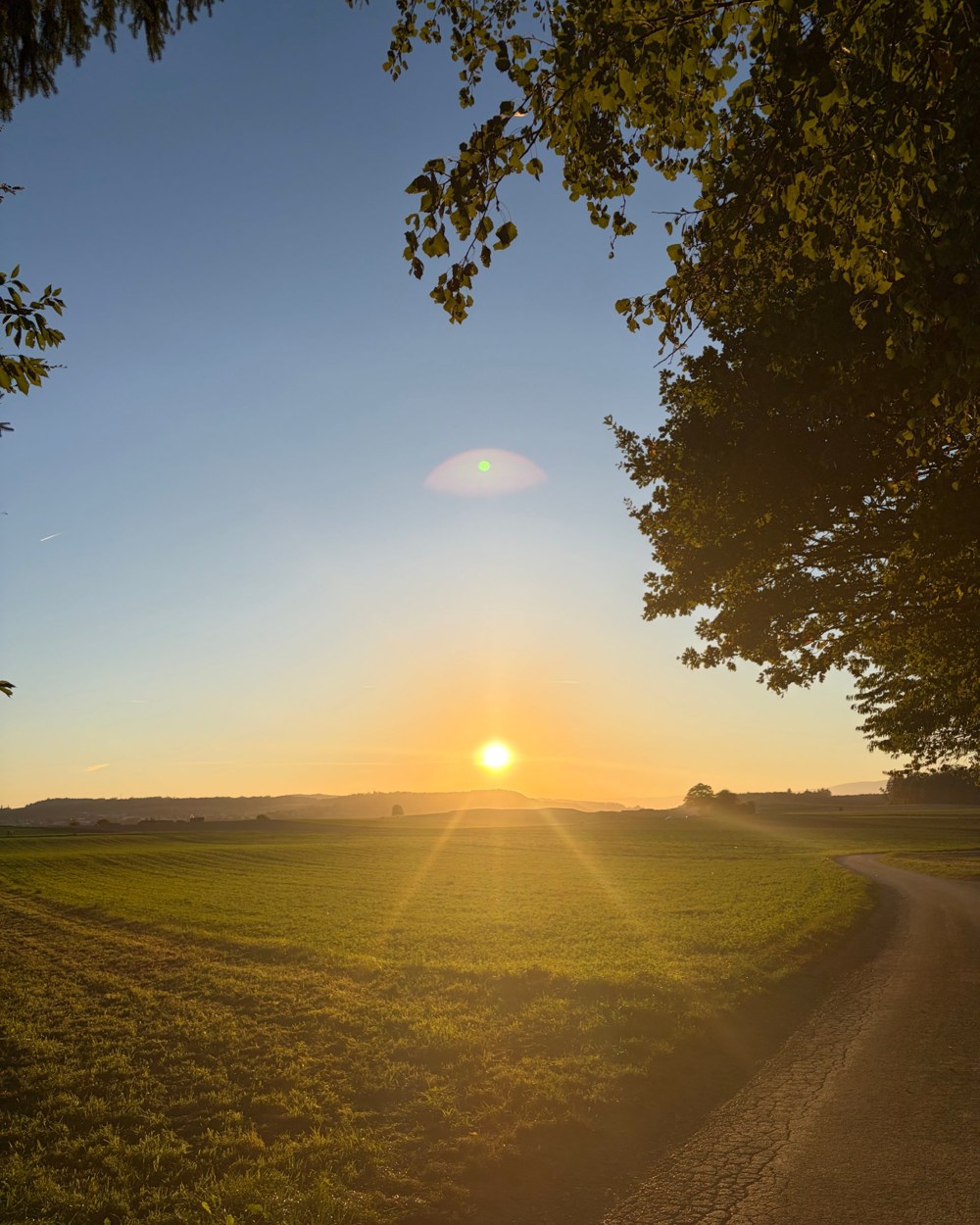
    The sun setting over a field and a dirt road, with a tree on the right
    Sunset Over the Fields

    Beginnings · What You Inherited

    What did you promise yourself you would never repeat?

    Date: 2 April 2026

    I would not terrorize my child. Harsh words like “You are worthless. Don’t you worry, I’ll get you” would never be hissed. There would be no grinding psychological torment. No talk of mutilation.

    My mother could laugh like anyone else. She could hold you tenderly, could sing, could charm a stranger into believing she was the most dazzling woman alive. And then, without warning, the bottom would drop out, and you’d be falling.

    I learned to live in that free fall. To smile when I wanted to scream. To read the slightest shift in a face, or the pause in a voice. My son will not have to learn this skill.

    I would not have a favorite tool for punishment: a brush, the one with steel teeth. Robust, efficient, cheap. No threats of invoking the “Holy Trinity” of the brush, broom, and hammer. Love and loyalty would not have to endure being smacked.

    And yet I said things. “I expect you to move out at sixteen.” “My marriage to your mother is doomed.” “If it were not for you, I would be nursing my mental health on a beach with blazingly white, sun-scorched sand.” The aftertaste of those words still twists my face. He looked down each time, and I knew I was slowly estranging myself from him.

    What conditions bring it out in you?

    Date: 2 April 2026

    Nothing. But other things make me go mad. I might scream; my nature is not gentle. I can moan and pout. It has been hard to nurture a gentle nature in me. Mental illness has tainted every aspect of my life. The terror from my childhood occasionally comes out when I take things personally. When I am hurt. Lied to, disrespected. The constant, terrifying threat of my mother’s unpredictable violence mutilated my childlike gentle nature, and yet I have never struck out at anyone. At least not with my hands.

    This question is about violence in a family. If it is heavy for you, there is someone to talk to: help, by country.
  • The Question You Never Asked

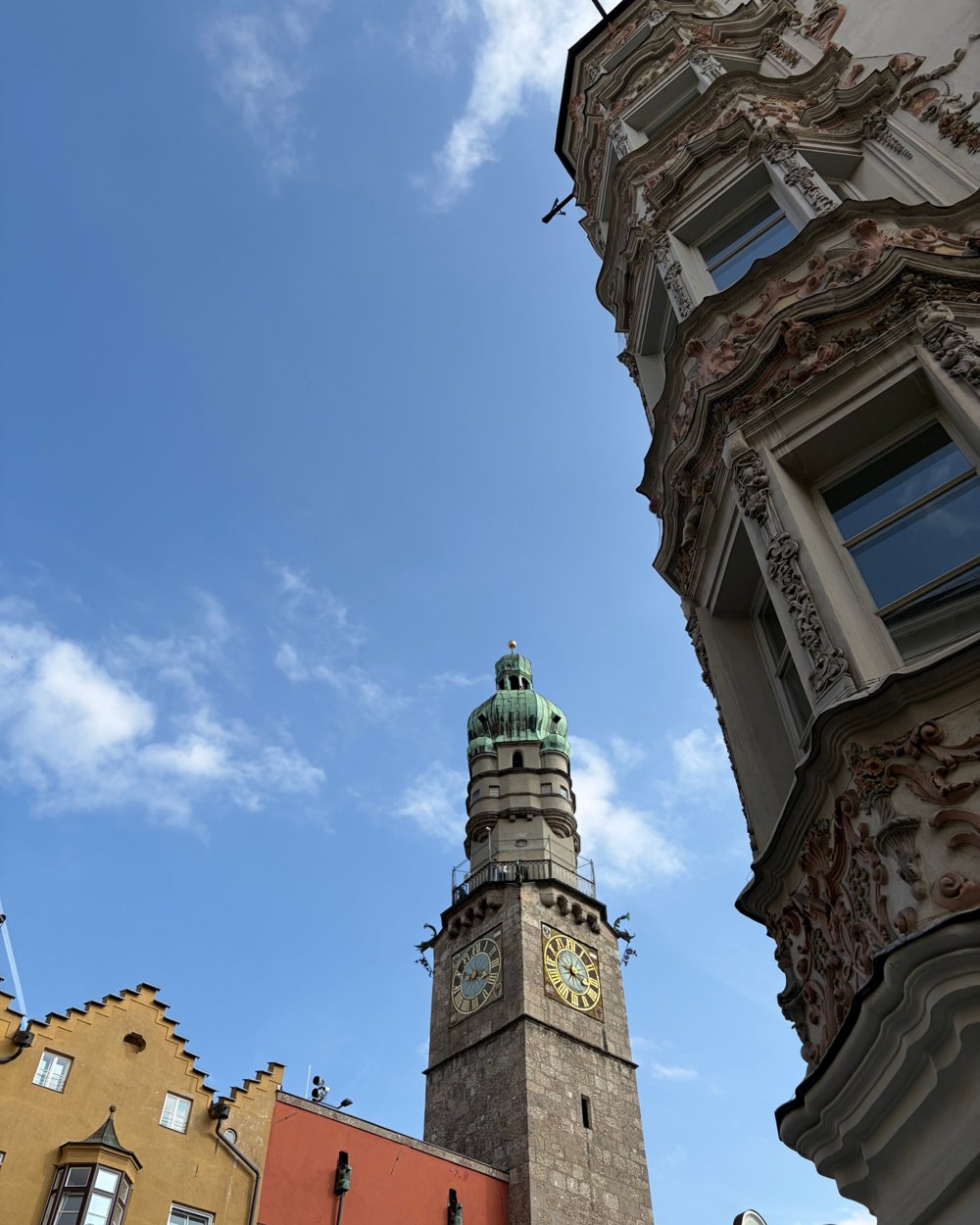
    The Innsbruck city tower with its green dome against a blue sky
    Innsbruck City Tower

    Beginnings · The People Who Raised Me

    What is the question you never put to the parent you found hardest to reach?

    Date: 2 April 2026

    I made my father up. For years. I couldn’t stand the empty space where he should’ve been, so I filled it in myself. My version of him was kind and gentle. He showed up when he said he would. He quoted Plato at you while he flipped pancakes. He waxed poetic about my mother’s laugh in fat love letters. I built him out of nothing, which was exactly what he’d given me to work with. The handful of things my mother did tell me about him turned out to be made up. I wanted to look him in the eye and ask the only question that counts: were you ever going to come save me?

    What made asking impossible?

    Date: 2 April 2026

    His absence. The sting of it branded a vow into me: no child of mine was ever going to be left guessing where I was. I’ve spent my whole life trying to be the opposite of him, which means being there for my son. Compulsively. What I still don’t know is if I can ever be whole, no matter how often I convince myself that I will never do the same thing. I will do everything I can to be present for my son, but I will probably never be whole, and that is OK.

    This is the question the wall asks. Leave yours.

  • The Apology You Stopped Waiting For

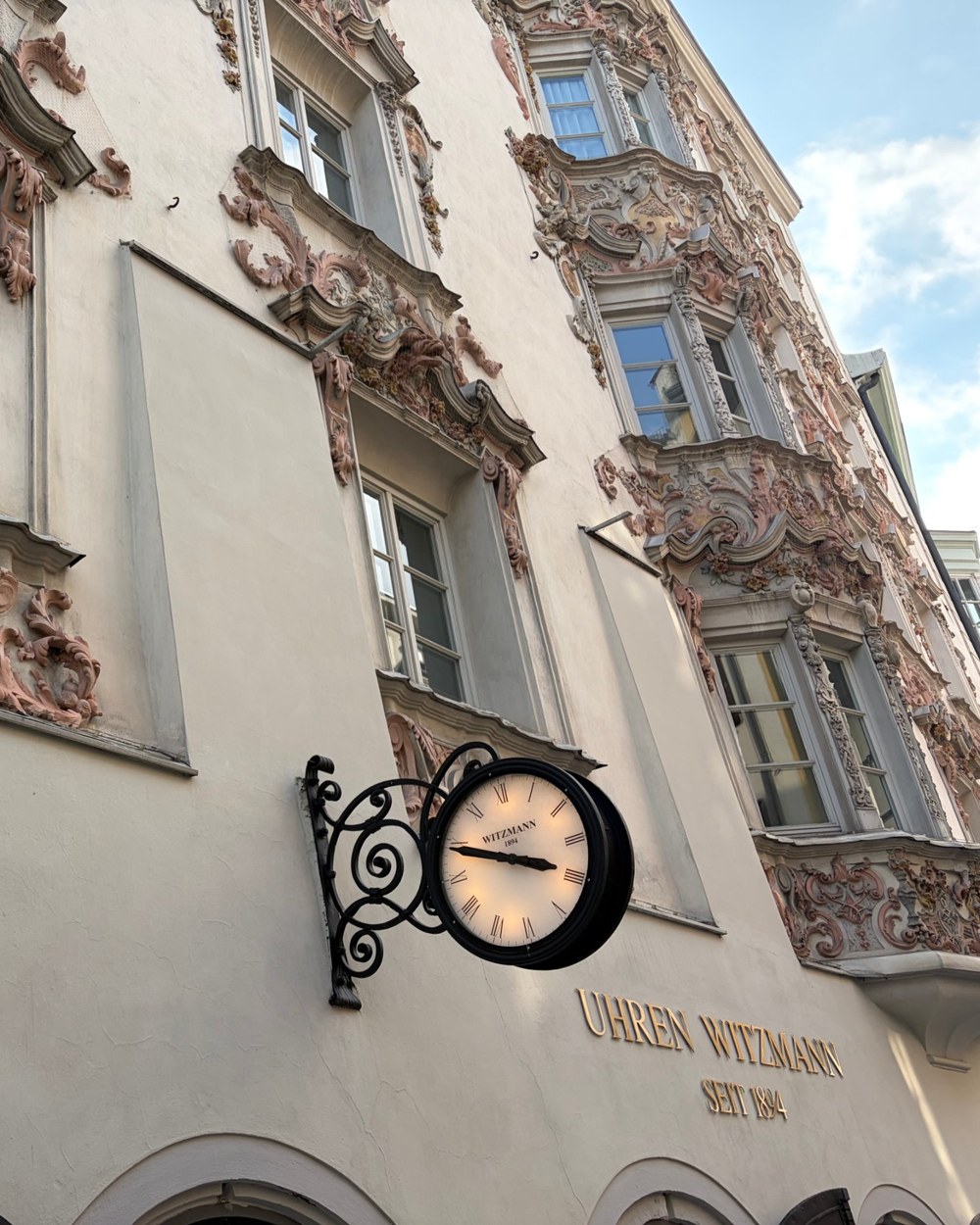
    A baroque facade in Innsbruck with a hanging clock above a watchmaker shop sign
    Uhren Witzmann, Innsbruck

    Patterns · Love and Its Wreckage

    What apology are you still owed, and by whom?

    Date: 2 April 2026

    My son’s mother gave me the best thing I’ve ever had, and that’s him. Then she betrayed me, and we went from making love to breaking it. She told me I was being dramatic, that I was playing the victim. I hated her for that. What I hated more was that she wasn’t wrong. She never really said sorry, and honestly I was in too much pain to have taken it from her anyway. What she regretted wasn’t what she’d done. It was getting caught.

    What have you done with the waiting?

    Date: 2 April 2026

    I keep telling myself that one of these days I’ll accept the apology I never got. Not for her. For me. I’ve practiced accepting it a lot more times than she ever practiced giving it. I poke at the pain the way you can’t leave a canker sore alone with your tongue. It hurts a little, it’s familiar, and I need it. I bite it until my eyes water, and the pain lingers and swells. And it won’t go away until I stop hurting myself.

  • The Pattern That Repeats

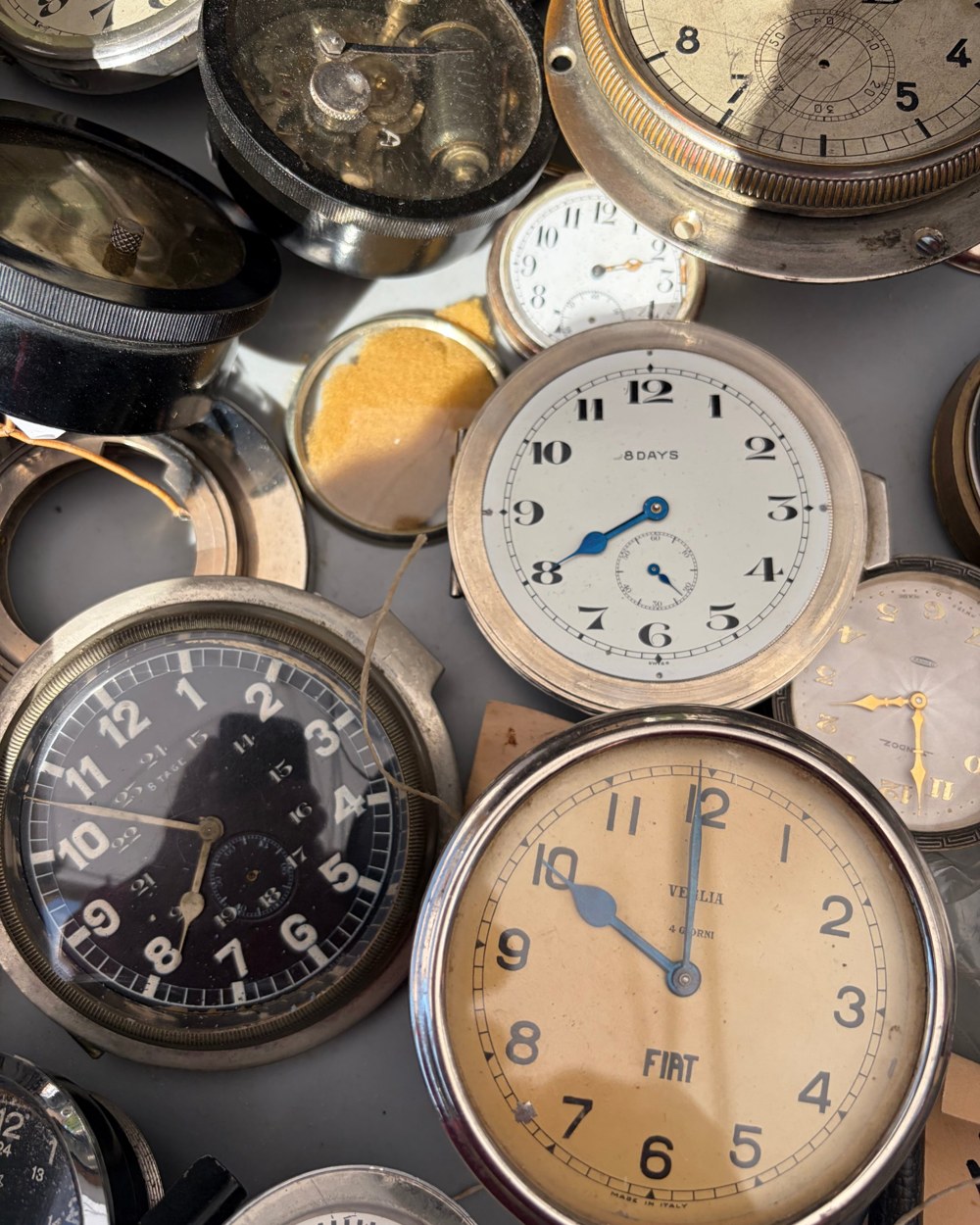
    A tray of old clock faces and pocket watch dials
    Old Clock Faces

    Patterns · Love and Its Wreckage

    What pattern have you repeated in relationships that you would like to break?

    Date: 14 March 2026

    Riding the pity train.

    When Nuala cheated with someone from Reuters, where she’d just started, I went full drama. I fell onto our bedroom floor in a heap while she sat on the bed, still in her work clothes. She was thumbing through her flip phone.

    “Someone from the office?”

    “Yes.”

    And that was all I got. I’d never met anyone she worked with. She kept that world to herself. Her new life of drinks after work, coming home late, and constrained without actors.

    “Lots of omissions,” I told myself.

    “Just colleagues from work,” she’d say. “You don’t know them.”

    I pictured him, and it made my blood boil. Oxbridge, soon to get a foreign correspondent gig, the kind of “bloke” who could talk about Kosovo over a glass of wine without welling up.

    “Why?” I asked from the floor.

    “Because you’re always like this.” She sighed. “Melodramatic.”

    I sobbed.

    “You see?”

    I could not give her what she wanted. It was fire. I gave her ash. The marriage didn’t end because of whoever-it-was from Reuters. It ended because of my weakness. I mistook pity for intimacy.

    I’d stand at the front window for hours, scanning the street for her. I only got more pathetic; she got more distant, more professional, more gone.

    Six years after the wedding, our marriage counselor asked us to think back to what had been good between us. I had loads. She had nothing.

    “There must be something you recall fondly,” I said, my voice fraying. “The wedding. India. The—”

    “I remember being young,” she cut in, her voice utterly flat. “I remember feeling inexperienced, overwhelmed.”

    The counselor shifted in her chair. I looked at Nuala, and saw someone I’d never actually met. Or someone I had simply never tried to see.

    “Did you ever love me?” It came out frail.

    I looked at the ceiling. She left it too long.

    “I loved the person I thought you were.”

    Which was worse than a no. It meant she’d loved an expectation.

    “Would you like to have another session?” the counselor asked.

    “No.” Nuala reached for her coat.

    When did you first notice the shape of it?

    Date: 14 March 2026

    Nuala started a new job in London Town; she loved to call it that. Her new toy, her flip phone, came with the gig. She was not playing Snake.

    I noticed the affair too late. Some nights she didn’t come home at all. I kept vigil at the window until dawn, flicking the curtains. She was seeing someone from her office. And yet, somehow, I was in the wrong. She had lines for it. “Stop controlling me.” “You’re being insecure.” “There’s nothing to worry about.” “You’re needy.”

    After one fight she said it with her back to me in bed. “Suffocating.” Cruelty or truth, I wondered.

    Years after we split, she said it again across a restaurant table: “I couldn’t breathe, you suffocated me.”

    Twenty years later, my second wife, the mother of my son, reached for the same word. She never met Nuala. They had nothing in common except me. I’d just checked whether her phone had gone with her behind the bathroom door.

    “Suffocating.”

    That was when I finally saw the shape. The only common factor in both marriages was me. Two wives, one word. And two phones.

  • Why these questions

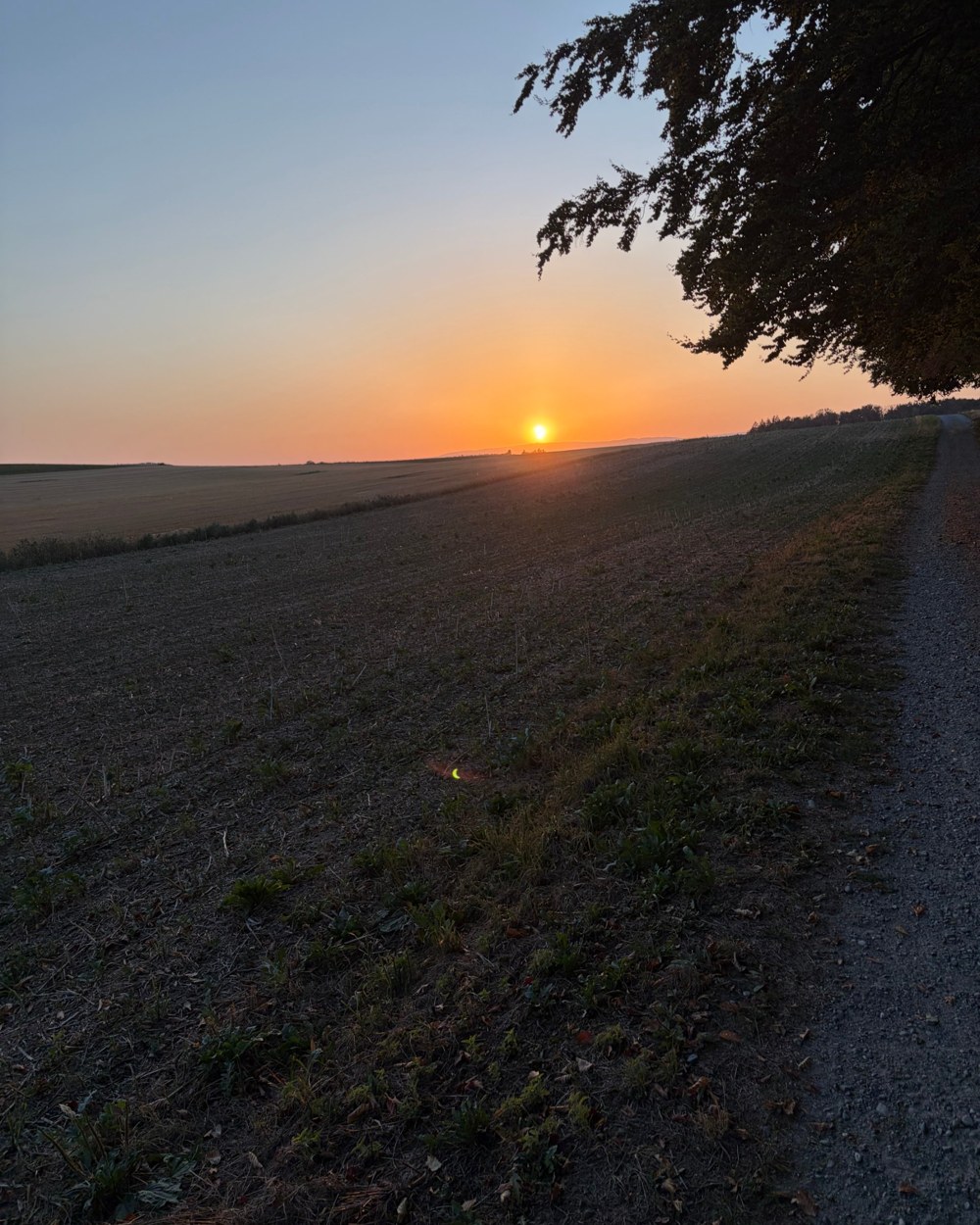
    A golden evening light over a field and a country road
    Evening Walk

    Everyone who knew my mother feared her. My father told lies the way other men tell jokes, and thought they made him interesting. From the birth certificate I learned that I was born to them on a November night in Norman, Oklahoma, in 1970.

    No one ever retold the occasion of my birth. There is no tale of a mad dash to the hospital; the event is empty of stories. My mother’s fog swallowed them. I will wear out the story of my son’s birth. Nobody ever wore out mine.

    There was drinking in my family. There was mental illness. And there were things done to children that nobody ever named. Nobody would have called any of it a story. So nobody told it.

    A few years ago I began my own memoirs, so that at my funeral my son would have more to say than that I bought the good yogurt. I expected the difficult part to be remembering. It wasn’t. The hard part was deciding what not to say. I soon discovered that much had never been asked about.

    In most families, nobody asks tough questions. We talk around a thing for forty years, and then somebody dies, and it goes into the ground with them. Facts usually can be reconstructed. What cannot be recovered are the untold stories. The stories that person would have told in their own way, had they been properly asked, even just once.

    My uncle was adopted into the family by an arrangement nobody ever talked about; I guess no one wanted to untangle it. He rarely spoke, and when he did, we listened. His voice was as heavy as the steel tools he gripped. He communicated with the same callousness that defined his labor. Grandfather called him oldest son, and that was enough for everyone. He was more storied than anyone, and yet it was all undocumented. He took every one of them with him, as his sister did, and their mother before her.

    When I was a toddler, I went missing in Mexico. It made the news, and the papers got it roughly right. What the papers did not print: my mother blew the steam off her coffee, said, “I think he’s been kidnapped,” and went to her bedroom and shut the door. What happened in that room was the true account, and it belonged to her alone. Nobody was ever invited into the fog.

    So I wrote down the set of questions I wanted put to me. They are not gentle.

    When have you hurt someone physically, outside of self-defense?
    What was never spoken about openly in your family?
    What did they survive that you have never had to?

    They became a book, What Nobody Dares to Ask. I answer them, one a week, from my own copy.

    Take your time. It took me fifty years to get to the first question.